If your day has gone sideways because a car key vanished in Orlando, read this as a practical field guide. The advice comes from years of working with emergency locksmiths and from watching what helps most when every minute matters. Expect clear steps, defensible trade-offs, and specific questions to ask so you pick a dependable 24 hour locksmith Orlando service without guesswork.
Quick assessment at the vehicle
Pause for a minute and note what kind of key you lost, where you are parked, and whether the car is locked or unlocked. A modern key fob with transponder chip is different from a simple metal key, and the difference matters for response time and cost. If you can reach the glovebox or door with tools you already have, note that, but avoid forced entry unless you accept the repair trade-offs.
What makes emergency locksmiths special
Emergency locksmith availability means someone comes to you, but that convenience often costs more than an appointment made during business hours. Mobile technicians carry cutting and programming equipment in vans, and that mobility reduces the need to tow the car to a dealership. If your car is an older mechanical lock model, the job is usually simpler and cheaper than for a new smart key system.
Understanding key types and what they cost
Not all keys are equal, and identifying the key type is the single most useful thing you can do before a locksmith arrives. Basic blade keys are the cheapest and fastest to replace, and they might cost roughly twenty to seventy dollars depending on cut complexity and locksmith rates. Programming a transponder key often costs in the low to mid hundreds, depending on your car make and the locksmith's equipment. Proximity and remote fobs are at the top of the price tree because they combine mechanical cutting with encrypted programming and often need manufacturer-level blanks.
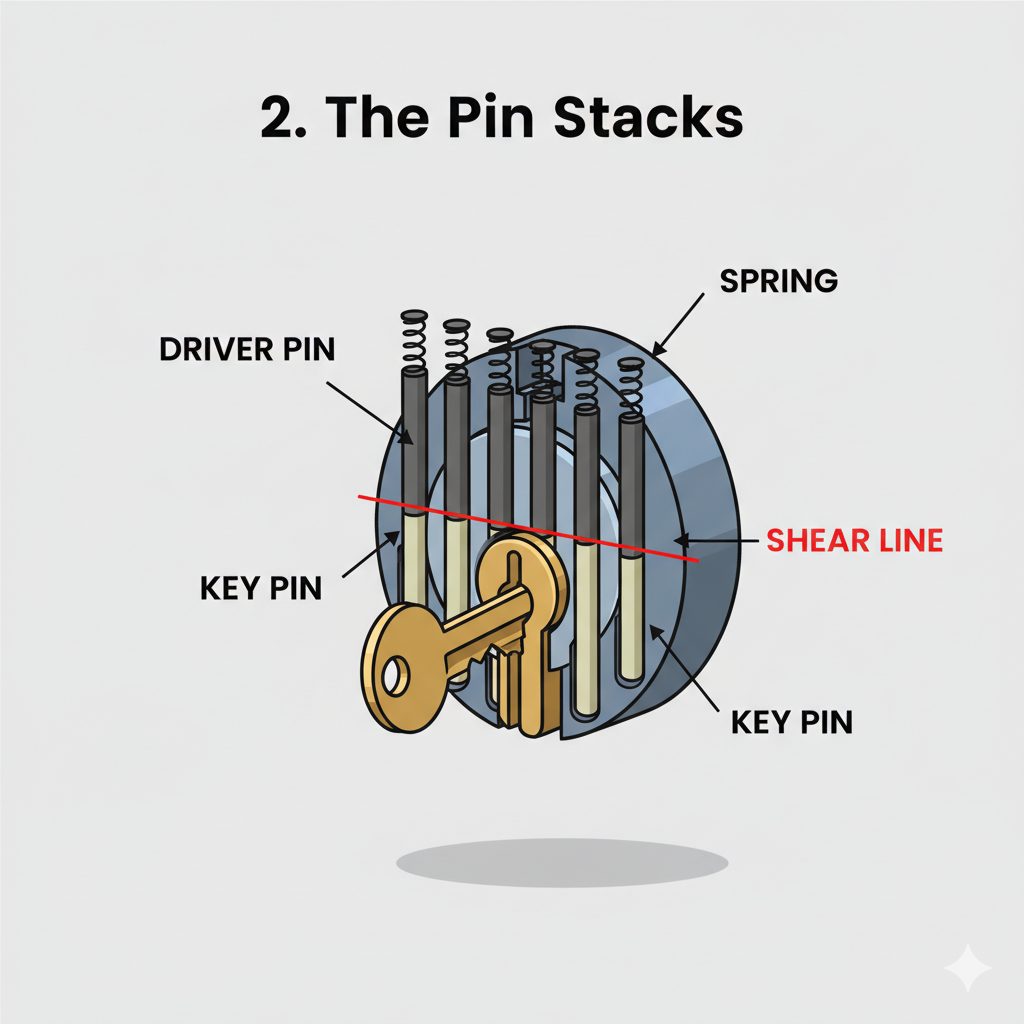
What a competent emergency locksmith will do on arrival
Good locksmiths will ask to see registration or proof of ownership and will log the job before they touch locks or keys. Decoding often involves reading the lock cuts or the VIN, and the tech will use that information to select the right key blank and programming steps. Next comes cutting and, if needed, programming, and the tech will show you the new key working before they accept payment. A cylinder replacement fixes mechanical faults but costs more than a rekey, and the choice depends on damage, security concerns, and budget.
Practical red flags and solid signposts
Clear answering, a named technician, and a real arrival time are better than vague promises and unclear pricing. A short conversation about make, model year, and key type reveals whether the tech can complete the job at the scene. Get a written estimate before work begins and insist on an itemized receipt showing parts, labor, and any callout fee, because transparency avoids disputes. Be cautious when a quote is suspiciously low or when the tech refuses to identify the company, and decline service if either appears.
Realistic timeframes and cost drivers
Simple mechanical key jobs often finish in fifteen to forty minutes and commonly cost under one hundred dollars, depending on region and access. Transponder key jobs usually take thirty minutes to one hour and often land in the one hundred to three hundred dollar range, depending on parts and programming complexity. High-security systems often require additional steps and possibly ordering OEM parts, which lengthens turnaround and increases cost. Most https://quicklockhlvc935.image-perth.org/affordable-locksmith-phone-number emergency locksmiths charge a flat arrival fee plus labor and parts, and transparent shops list these charges before work begins.
Safety and consumer protections
Refuse any demand for full cash up front beyond a reasonable deposit and insist on a receipt that names the business and technician, because that paperwork protects you later. Ask which specific dealer tool or protocol is required and why the technician cannot complete the task on site, and get a written explanation if they persist. A quick photo of the van signage and the technician's work badge can deter bad actors and form part of any complaint.
Small steps to prevent a future lockout
A hidden spare in a locked container at a trusted friend or in your wallet rarely gets used, but when it is needed it prevents drama and expense. A metal backup rarely solves programming issues but can permit door access and reduce locksmith tasks, and it is inexpensive to produce. Label your spare key with a vague tag rather than obvious wording that invites theft, and rotate where you store it periodically to stay secure.
What to keep in your phone and glovebox right now
Store your vehicle identification number, make, model year, and insurance or registration photo on your phone so you can read it to a locksmith without hunting for paperwork. Pre-screened contacts are the fastest route out of a roadside hold-up. A short paper note with a spare key hint and emergency contacts is low-tech but reliable in power-loss scenarios.
Five quick confirmations to make
Clarifying whether the car needs a new key or simply an entry minimizes wasted trips and mismatched expectations. Confirm if you can show registration or proof of ownership at the scene, because technicians will ask and the answer affects whether they proceed immediately. Ask for an arrival window, a full price estimate including callout, and the technician's name, because those three things make service accountable and visible.
Trade-offs between speed, price, and long-term value
Cheapest is rarely the best choice for high-security electronics, and experience reduces the chance of repeat work or damage. Sometimes the extra arrival fee equals the value of having someone present and able to finish the job the same hour. Dealers make sense when manufacturer security blocks third-party programming, but most routine lost key jobs are handled by trained locksmiths.
A real moment that explains what to expect
On a late shift I saw a driver avoid a dealer tow when the second locksmith carried the correct transponder programmer, which made the difference between a long wait and a quick finish. That scene happens more than you might think, and it highlights why asking about tools and supported makes matters in the first call. Practical choices before the call and clear verification once the tech arrives turn an emergency into a short story rather than an expensive ordeal.
A calm, informed approach reduces cost and stress, and the right technician finishes the job without drama.