If you are staring at an empty keyring in a parking lot in Orlando, this guide is written for that exact moment. These paragraphs collect lessons from real callouts, late-night roadside work, and quick decisions that saved people time and money. Expect clear steps, defensible trade-offs, and specific questions to ask so you pick a dependable 24 hour locksmith Orlando service without guesswork.
Sizing up the immediate problem
Spend sixty seconds to gather three facts: make and model year, whether the vehicle uses a fob or a traditional key, and whether you have access to your registration or VIN. A modern key fob with transponder chip is different from a simple metal key, and the difference matters for response time and cost. Do not try to break windows or force locks unless you have budget and time for bodywork and possible electronics repair.
Why a 24 hour locksmith Orlando call is different from a daytime service
Emergency locksmith availability means someone comes to you, but that convenience often costs more than an appointment made during business hours. A properly equipped mobile unit can cut a blade, decode a lock, and program transponders at the scene, which is faster than https://locksmithlhrk894.theglensecret.com/key-fob-dead-in-orlando-parking-lot-first-fixes-and-emergency-locksmith-help a tow to the dealer. If your car is an older mechanical lock model, the job is usually simpler and cheaper than for a new smart key system.
Common key types you will encounter and their consequences
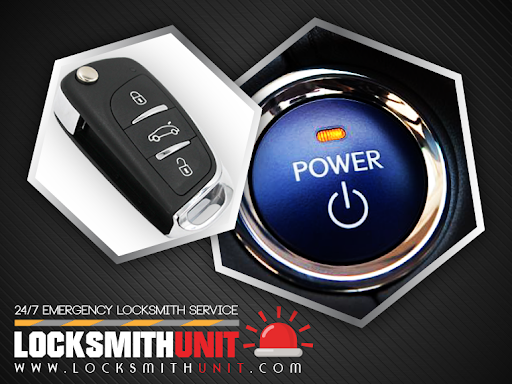
Not all keys are equal, and identifying the key type is the single most useful thing you can do before a locksmith arrives. A plain mechanical key replacement is commonly affordable and completed in minutes at the roadside by a mobile cutter. Expect transponder service to add programming time and a higher parts price versus a simple blade key. High-end systems that include push-button start and smart pairing will usually be the most expensive and may take the longest to source and program.
What a competent emergency locksmith will do on arrival
Good locksmiths will ask to see registration or proof of ownership and will log the job before they touch locks or keys. Decoding often involves reading the lock cuts or the VIN, and the tech will use that information to select the right key blank and programming steps. Next comes cutting and, if needed, programming, and the tech will show you the new key working before they accept payment. If the lock cylinder is damaged, a competent pro will offer a rekey or cylinder replacement on site and explain the trade-offs.
Practical red flags and solid signposts
A local address and a realistic arrival estimate show the provider is not a fly-by-night operator who farms out jobs to unknown crews. Ask which equipment they carry and whether they can program your specific vehicle make and year, because not every locksmith supports every brand. Get a written estimate before work begins and insist on an itemized receipt showing parts, labor, and any callout fee, because transparency avoids disputes. Extremely low quotes often hide poor-quality parts, unskilled labor, or add-on surprises, and anonymous technicians are a serious red flag.

Realistic timeframes and cost drivers
Simple mechanical key jobs often finish in fifteen to forty minutes and commonly cost under one hundred dollars, depending on region and access. Programming adds time and specialized equipment costs, which reflects in a mid-range price band for most vehicles. High-security systems often require additional steps and possibly ordering OEM parts, which lengthens turnaround and increases cost. Always request the total expected price, including callout, before authorizing on-site service.
Avoiding scams and protecting yourself during the job
Refuse any demand for full cash up front beyond a reasonable deposit and insist on a receipt that names the business and technician, because that paperwork protects you later. If someone claims your car is "special" and needs dealer-only service without providing a clear reason, ask for specifics and a second opinion, because not all claims are accurate. A quick photo of the van signage and the technician's work badge can deter bad actors and form part of any complaint.
Simple redundancies that save hours later
A keyed spare stored safely with a household member or in a lockbox avoids many emergency calls. A duplicate blade key gives you options when fob batteries die or electronics malfunction. Label your spare key with a vague tag rather than obvious wording that invites theft, and rotate where you store it periodically to stay secure.
Essential info to have on hand
A clear photo of registration and the VIN speeds the technician's job and proves ownership if the physical document is hard to reach. Pre-screened contacts are the fastest route out of a roadside hold-up. Put a small checklist in your glovebox that includes the spare location and contact names, because paper backups matter when your phone battery dies.
A field-tested final checklist before you call
Decide whether you need non-destructive entry, a replacement key, or both, because that choice determines the tech and tools you request. If you cannot produce proof, be prepared for delays while alternate verification steps are taken, which might include a call to your insurance or a towing company. Transparent time and price expectations reduce stress and avoid last-minute surprises when the bill arrives.
Trade-offs between speed, price, and long-term value
Paying a little more for a technician who knows what to do up front tends to save money over time by avoiding botched programming and broken cylinders. If the locksmith arrives quickly with clear credentials and the correct equipment, the premium you pay is often worth the reduced hassle and faster resolution. Dealers make sense when manufacturer security blocks third-party programming, but most routine lost key jobs are handled by trained locksmiths.
A real moment that explains what to expect
On a late shift I saw a driver avoid a dealer tow when the second locksmith carried the correct transponder programmer, which made the difference between a long wait and a quick finish. The moral is simple: equipment alignment, clear ID, and realistic arrival windows matter more than a cheap initial quote. Practical choices before the call and clear verification once the tech arrives turn an emergency into a short story rather than an expensive ordeal.
A calm, informed approach reduces cost and stress, and the right technician finishes the job without drama.