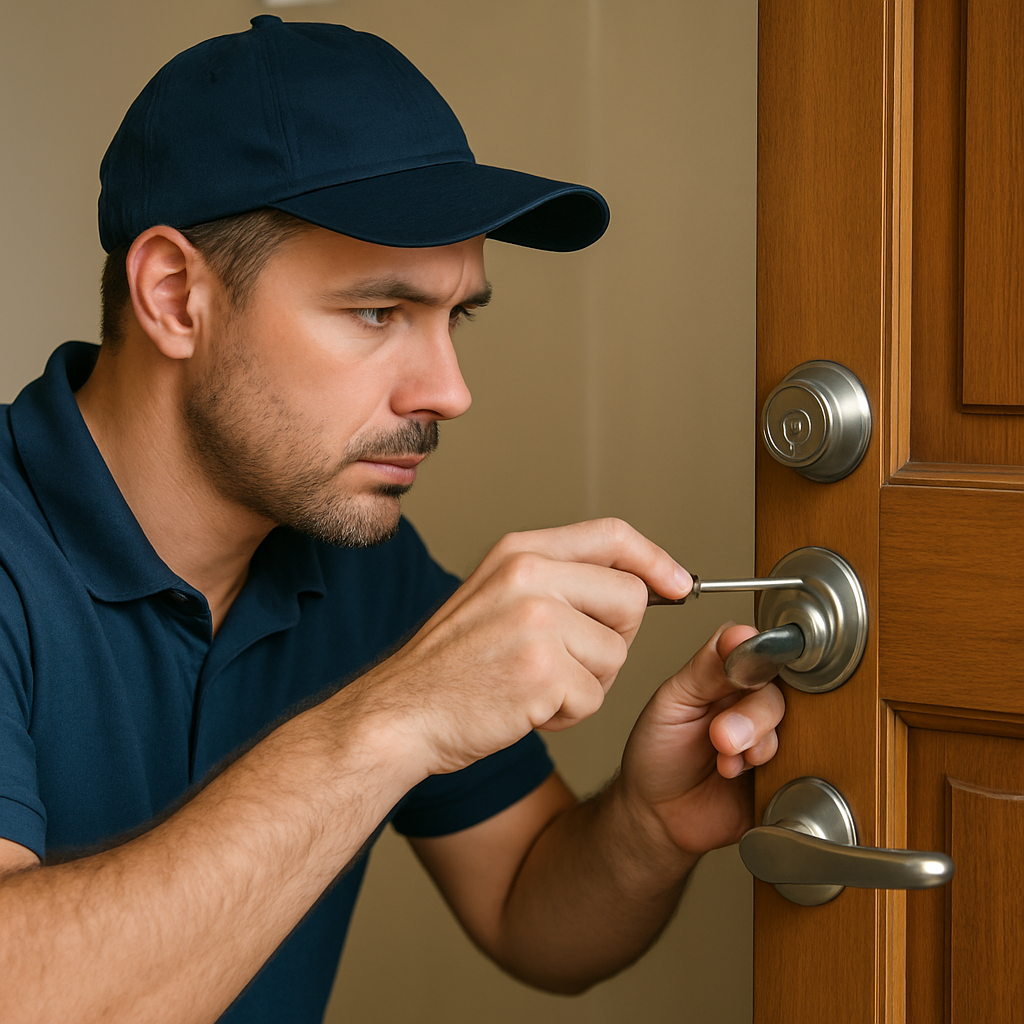
I could have installed a temporary latch, but the owner needed the door fully secure for overnight inventory. It took about 45 minutes and a replacement cylinder that fit the brand the owner already used, minimizing confusion for staff. That night taught me the value of carrying both temporary and permanent-grade parts and of explaining trade-offs under pressure.

Expect clear explanations and options, not pressure. Insist on a printed record of which locks were changed, the new keys issued, and any recommended follow-up. If a specialist is required for an electronic controller, the technician should be able to stabilize the https://iad.portfolio.instructure.com/shared/a12ab89984c42c2e65c30b52df5efc0d587148aba413ff9b door and then schedule the controller repair with the right vendor.
If you manage multiple locations, standardizing emergency plans pays off. Include a policy for when to call police versus only the locksmith. Documentation and training make the difference between an expensive middle-of-the-night scramble and an efficient repair.
Preparation, clear communication, and smart post-incident follow-through turn an anxious night into a repair that strengthens your operation. Call a provider who offers 24 hour response, carries commercial-grade parts, and documents work clearly. If you would like a simple checklist template or a list of upgrade priorities based on your door types, a brief audit by a qualified locksmith can identify the three highest-impact changes for your site.